Irish, Scottish, folk, and country music from many different neighbourhoods, and sometimes, from behind the scenes
Saturday, November 30, 2024
Advent Reflection: 2 Songs
Advent. It’s the season of four weeks leading up to the celebration of Christmas.
If Christmas and/or Advent are not part of your faith calendar, this time in December is a good season in which to make time for reflection and for a bit of rest, perhaps, however busy your schedule might be.
Advent is a time for looking forward and for looking back.
It has been and continues to be a hard and uncertain time for many of us. All the more reason to look for the quiwt Advent may bring.
Music is good gateway and a good companion for this.
Sally Barris has a song called Magnify.
It was, she says, written during a time she was facing a number of challenges in her life.
In the song, she sings of making choices, of choosing, for instance, to focus on -- to magnify -- the hand held out to help rather than the hard stuff that led to needing that helping hand.
Sally, who is originally from Minnesota, has been based in Nashville for some time. Many artists turn to her cataloue of songs when they are looking for thoughtful, well crafted, and creative songs to cover.
At this writing, I am not aware that Sally has put Magnify out as a recording; it’s a relatively new song.
She has a number of her own albums out though well She is also well respected as a mentor, teacher, and member of Nashville’s music community.
Another good listen for your reflection this season is called Another Reason.
Aoife Scott sings lead; she and her partner, Andy Meaney. write the song several eyars back to celebrate the birth of Aoife’s first niece.
Good advice, good material for reflection in this gentle song. Aoife and Andy come from Ireland. You will find the song recorded on Aoife Scot’s album called Homebird.
At this season of giving, a gentle reminder, too that Music Road is reader supported. You can help!
Three ways to consider
You could Here is a way to support, through PayPal. Note that you do not have to have a PayPal account to do this.
Also
If you enjoy what you are reading here, I've recently begun publishing an occasional newsletter at Substack with more stories about music, the people who make it, and the places which inspire it. There are both free and paid subscriptions availableCome visit and check it out!
.
Reflection and creativity are both part of winter, and of the Advent season.
With those two things in mind, here is a bit about several long time favorite recordings which go along with winter time.
Seasonal music not your thing? No worries, there will be more to come of non seasonal new releases and old favorites, good for holiday gift lists as well. Also check out the links toward the end of this piece...
The title track of Cara Dillon’s album Upon a Winter’s Night was written by Cara’s musical partner and husband, Sam Lakeman, and their son Noah. It’s a piece which evokes, among other things, the ideas of changes and celebration which go along with the Christmas story. It has a lively chorus to which you may find yourself singing along, as well. There is also outstanding uillean pipe contribution from Jarlath Henderson.
There are two more original tracks along with a selection of well known and perhaps lesser known songs on the recording. There is one piece in Irish, Rug Muire Mhac Do Dhia, and a fine take on O Holy Night for which Cara is joined by her sister Mary Dillon. Sam plays guitar or piano or bodhran on most tracks and several other musical friends sit in, including Niall Murphy on fiddle and James Fagan on bouzouki. Cara Dillon brings to this music a bit of the stillness and the joy of winter in her native Northern Ireland.
Matt and Shannon Heaton make their music at places where the music of Ireland and the folk traditions of North American music intersect.
On their album Fine Winter’s Night this is well in evidence with song and tune both reflective and upbeat. Both Heatons song and both write songs; hearing them trade lead and harmony on songs both traditional and original is one of the things to enjoy about this recording. Each is a fine player and a composer of tunes as well, which you will hear, for example, on Dust of Snow, and in their version of the Shetland tune Da Day Dawn. Shannon’s principal instrument is the flute, Matt’s are guitar and bouzouki.
You hear those on the tunes of course, and they well know how to weave their gifts on their instruments into songs as well. Shannon’s title track Fine Winter’s Night is a fine recognition of the brilliance of cold winter nights and the welcome of warmth within. In First Snowfall of December Matt draws listeners in to a tale of Victorian era New England Christmas time. The duo offer well known songs too. While keeping to the spirit of the season, they give carols including O Little Town of Bethlehem and It Came Upon the Midnight Clear a fresh dusting of creative ideas.
Kathy Mattea has two wintery albums out. Good News and Joy for Christmas Day.
On Good News, there are two songs form the tradition, Christ Child Lullabye from Scotland (with Scottish troubadour Dougie Maclean joining in) and and Brightest and Best. The eight contemporary cuts include Mattea’s own memorable Somebody Talkin’ About Jesus, along with the haunting title track written by Ron Mahes. and perhaps the best known songs from the album: Mary Did You Know? and New Kid in Town.
On Joy for Christmas Day, Mattea puts her own thoughtful stamp on O Come O Come Emmanuel, and offers a Christmas Collage of carols, featuring the guitar and arranging skill of her longtime guitarist, Bill Cooley. The eleven tracks are a mix of traditional and contemporary music for Advent and Christmas time. Among them are When the Baby Grew Up, O Come, All Ye Faithful, and the reflective Straw Against the Chill
Emily Smith chose a mix of traditional and contemporary music for her album Songs for Christmas, too. Smith comes from Scotland and is a fine songwriter as well as a singer and player of accordion, piano, and guitar. She’s joined by her musical partner and husband Jamie McClennan who plays guitar, fiddle, and is a singer and songwriter as well. Their musical journey winds from historic carols to contemporary Americana to Scotland based stories. All are well worth repeated listening. That said, listen out especially for Little Road to Bethlehem, Christ Has My Hairt, Ay, and Smith’s originals Find Hope and Winter Song.
Each of these albums is a winter season classic, well worth your listening for musicianship, creativity and, indeed, grace of the season.
In times when you are able to listen to much music at no cost, take this as a gentle reminder that if you enjoy this music, help support the work of these artists and the cause of good, thoughtful music everywhere by purchasing their music and merch. Direct purchase from an artist’s site is one way. Bandcamp is also a platform which supports artists’ work.
Speaking of support, if you’re in a position to do so this holiday season (and beyond), your support for Music Road is most welcome. Here’s one way:
-->Your support for Music Road is welcome and needed. If you are able to chip in, here is a way to do that, through PayPal. Note that you do not have to have a PayPal account to do this. Thank you.
There’s mystery, legend, and magic in the landscapes of Donegal, in Ireland’s far northwest. There you’ll also find deep community, lively humor, and strong connections to the past. Each of these things makes its way into the music of the band Altan.
For their album The Widening Gyre they chose to explore and express another sort of connection, too, the one that reaches across the ocean to the music of Appalachia and the American south. With this in mind, they traveled to Nashville, to the studios of Compass Records, to record.
The result is a clear and sparkling set of song and tune that interweaves these connected yet distinct ways of sharing and thinking about of music. The members of Altan -- Mairéad Ní Mhaonaigh on voice and fiddle, Ciaran Curran on bouzouki, Ciaran Tourish onfiddle, vocals, whistles and low whistle, Dáithí Sproule on guitar and voice, Mark Kelly on guitar and voice, and newest member Martin Tourish on accordion and keyboards -- explore these connections and travels of song in collaboration with longtime musical friends from the American folk scene, among them Bruce Molsky, Tim O’Brien, Garry West (who produced the recording), Natalie Haas, and Alison Brown. “We’ve made lifelong friends through music,” Mairéad says. “ The circle has expanded over the years, and our new album celebrates those relationships.”
The fourteen track disc opens with a set which sets the path for that, taking a journey through a lively tune from Scotland, a reel from the Irish tradition, and an original reel composed by Mairéad. Molsky and Ní Mhaonaigh turn Walt Aldrige’s old timey Americana song No Ash Will Burn into a vocal and instrumental collaboration that unlocks the Celtic nuances of the piece, and although it is a rather sad love song, also calls to mind the partings and stories of those who moved from one place to another in earlier times. Tune For Mairéad and Anna Ní Mhaonaigh is a slow air which was composed some years back by Dáithí Sproule for the birthdays of Mairéad and her sister Anna, and is done here in lovely spare fashion.
White Birds is a quiet piece too, one which evokes travels across land and sea in reality and imagination, with Mary Chapin Carpenter adding in her to voice to Mairéad’s for lyrics written by poet WB Yeats set to music by Fiona Black. Only right to have words by Yeats here; a different Yeats poem is the source the band turned to for the album’s title. “The title The Widening Gyre appeals to us and depicts the spiral of life, widening and embracing the new. It has an innate energy. We think that idea is reflected in the album’s music,” says Mairéad.
That energy is readily apparent in the Buffalo Gals/Leather Britches/Leslie’s Reel set, which evolved from the musicians siting around in the studio swapping tunes. It’s a fast paced event which holds the energy of Appalachian bluegrass along with fiery Donegal style music and creates its own place between. That also holds true of The Triple T, a tune which Ciaran Tourish wrote for his son Thomas and which invited in the talents of musical guests Jerry Douglas on Dobro, Sam Bush on mandolin, Darol Anger on fiddle, Bryan Sutton on guitar, Jim Higgins on bodhran, Stuart Duncan on fiddle, Bryan Sutton on guitar, and Alison Brown on banjo -- an all star jam in deed, and all these fine talents in collaboration in service to the tune.
Mairéad Ní Mhaonaigh’s distinctive soprano is as much a hallmark of Altan’s music as are her fiery fiddling and thoughtful compositions. All are in fine evidence here. She sourced the song Má Théann Tú ‘un Aonaigh, which offers advice (in irish) to a young man setting out in the world, from a field recording from the Arranmore Islands in northwest Donegal, while Cuirt Robin Finley/Moladh Shliabh Maoineach has as its substance a love song to a mountain in Donegal. She trades voices and stories with bluegrass/Americana master Tim O’Brien on The House Carpenter/ Gypsy Davy and her slow reel Samhradh and Aniar Aduaidh Jig pair naturally in a set with Martin Tourish’s The Donegal Jig. Far Beyond Carrickfinn is a song composed by Ian Smith and Enda Cullen to help give Mairéad perspective after the death of her father Francie, a himself a fine musician. It is a lasting piece that’s beautifully sung and presented here by Mairéad and Scotland’s Eddi Reader and could indeed apply to journeys of many sorts. “Stars lead the way, as your journey begins...”
There is much more to explore and enjoy. The mountains of Ireland’s northwest and the Americna south, seacoasts and hollows, journeys through them and stories told across time: all these come into play in Altan’s The Widening Gyre.
...and while you are at it, note the fine cover artwork by Édaín O’Donnell.
-->Your support for Music Road is welcome and needed. If you are able to chip in, here is a way to do that, through PayPal. Note that you do not have to have a PayPal account to do this. Thank you.
Another way to support: you could
If you enjoy what you are reading here, check out my newsletter at Substack for more stories about music, the people who make it, and the places which inspire it.
There is nothing quite like the experience of being present in person for a concert of music, whether it be music you love, a musicians who is well known to you you, or a musical adventure into something you’ve not heard.
That said, high quality, thoughtfully shot, well recorded, and well edited taping of such concerts offer a quality experience too. That’s definitely what’s going on with Fiddle Masters Concert Series, Volume 3.
There are twenty four sets taken from five concert recorded at the Violin Shop in Nashville, Tennessee. Players who take center stage include Casey Driessen, whose eclectic style crosses bluegrass, folk, jazz, and other things of his own invention, Daniel Carwile, a multi instrumentalist and educator who shows off is contest winning style on a series of rags and a haunting take on Midnight on the Water, Gabe Witcher, who is also a contest veteran and a current member of the hot acoustic group The Punch Brothers, and Hanneke Cassel, former Scottish style national fiddle champion who offers fiery Scottish tunes and her own inspired compositions. Cellist Natalie Haas adds her unique style of rhythm on the cello to accompany several of Cassel’s tunes, and teams up with her sister Brittany for a medley of tunes from Norway. Young player Tatiana Hargreaves adds a classy take on the folk standard Pretty Saro, and joins up with Alex Hargreaves for Dusty Miller.
The Violin Shop is a place where musicians often meet up, a place where they know they can find quality instruments and get work done on the ones they already treasure, too. So it was a natural thing when the shop’s owners added an small space for performance to the place. That’s where these concerts where shot, and well done they are. Whether you are a player yourself, a fan on one or more of these artists, or just enjoy fine acoustic music, Fiddle Masters Concert Series, Volume 3 is well worth your time.
In her song The Dreaming Fields, Matraca Berg walks through her grandfather’s farm, finding memory of brighter days and childhood love, strength and courage and hard work, and loss and grief . The farm will no longer be a farm; it’s being sold off for building lots.
Berg handles all those facts and the emotions that come with them with the heart and hand of a songwriter who knows that songs have their own lives, and that in the joining of ideas, music, and voice there is need for space. Space for the listener, and room for ideas and questions which rarely have neat and tidy and once and for all answers.
Questions and change are themes which run through the album of which The Dreaming Fields is the title track. That will not surprise anyone who has followed the Nashville based writer’s work. Those who have include Patty Loveless, Marina McBride, Kenny Chesney, Trisha Yearwood, and the Dixie Chicks, who have all recorded Berg’s work. Fellow award winning writers and singers Gretchen Peters and Suzy Bogguss, who join up with Berg for concerts they call Wine Woman and Song are two more.
In the fourteen years since her last album, Berg has chosen to stay behind the scenes, writing the songs that have earned Grammy nominations, Country Music Association Awards, and induction into the Songwriters Hall of Fame. She has mostly played her songs at the Bluebird and other listening rooms, and with her friends Bogguss and Peters. “I did a tour of the UK with Gretchen Peters and Suzy Bogguss, which I did for the fun of it mostly,” Berg says. “I’d not had a record out in forever, but it seemed like I could go see some cool places with friends, and I was stunned to see lines of people everywhere we went who were wanting to buy my record.” So she decided it was time, and she also decided to make the recording on her own terms, producing the project herself.
The listeners waiting in those lines, and the artists who have recorded Berg’s music over the years, have heard the voices of people who you know have lives beyond the moments of the song, from the bleak reality of the woman in If I Had Wings to the simmering desire of the one in You and Tequila to the wry and telling humor of the conversation in Your Husband’s Cheating on Us. They have heard the deep and vividly rendered honesty of grieving in Racing the Angels and South of Heaven, of holding on to place and home in O Cumberland, and of finding your way through love in A Cold Rainy Morning in London in June. .
Berg is a master lyricist, that’s true, and she’s also a master musician, pairing her words with melody and arrangement that serve the words and enhance them without ever getting in the way. She’s unafraid to be spare about that, too: the title track, for example, is just Berg on piano and John Catchings on cello, to back up Berg’s voice -- and that’s just exactly enough, as she evokes her grandmother’s kitchen, her grandfather working the fields, and rain on the rusted plow.
“Making an album was important,” she says. “ ... not a checklist of singles and themes, but something that was a piece of work where you’re going through a part of people’s lives. I wanted the listeners to pass through those lives, those moments, and understand what was going on, because, like lot of people, I’m in a place in my life where life is a big deal -- a lot of grief, aging people, trying to keep a marriage together, all kinds of family things going on, things you can’t escape because that is life. That’s what life is really made of, and hopefully, this album too.”
The Dreaming Fields is a master class in songwriting -- any sort of writing, really. It’s also just plain good listening. filled with songs that will have you thinking about their stories long after the music is done
-->Your support for Music Road is welcome and needed. If you are able to chip in, here is a way to do that, through PayPal. Note that you do not have to have a PayPal account to do this. Thank you.
From the blues and Elvis in Memphis to the heartbeat of country and the soul of gospel in Music City through the high lonesome of the Great Smokey Mountains, Tennessee is a state and a people filled with music, and with musical contrasts which yet seem to work together. Right now, middle Tennessee and Nashville are recovering and still hurting from recent major flooding, the worst the area has seen in more than a hundred years. As the Great American Road Trip winds through Tennessee, take a listen to music from two Nashville natives -- and it may not be quite what you’d expect.
Amy Grant is a fine songwriter -- she has new album out, in fact, and well worth your listening. Her album from a few years back called Legacy...Hymns & Faith will take you deep into the heart of the American South, though. If you grew up in the region, this music played in the background of your daily life, whatever your religious thoughts. If you’re not familiar with the area, listening to this music will teach you more about it.
Matraca Berg is the writer behind many top country hits, and even more songs that make fine album cuts for stars including Patty Loveless, Martina McBride, and Pam Tillis. Her own solo albums such as Lying to the Moon & Other Stories sometimes take a bit of looking for. They are well worth it, filled with great singing and vivid, insightful writing, which is by turns funny, serious, thoughtful, and lyrical.
The Cumberland River winds through the heart of downtown Nashville. Here’s Berg singing Oh Cumberland.
you may also wish to see. Berg often appears with musical friends Gretchen Peters and Suzy Bogguss as Wine Women & Song
This is part of The Great American Road Trip, in which I’m partnering up with A Traveler’s Library to add musical ideas to the book and film suggestions for journeys through the regions of the United States which you’ll find there. For more about the road trip (and a look at some great road songs) see Great American Road Trip: Music begins
-->Your support for Music Road is welcome and needed. If you are able to chip in, here is a way to do that, through PayPal. Note that you do not have to have a PayPal account to do this. Thank you.
Nashville is a homeplace, a heartbeat, a crossroads of music.
Many of the artists you travel with here along the music road, American, Canadian, Irish, and Scottish, have spent time in Nashville at one point or another, played their music there, made their homes there. In these last few days, middle Tennessee has been hit by major flooding. The sun is out now, but the rivers are still rising, and help is needed.
sending our good thoughts out to all in Music City, and especially to the Nashville based artists we've crossed paths with along the way on the music road.
The Schermerhorn, The Country Music Hall of Fame, The Opry complex, and The Opryland Hotel are among those places affected by the floodwaters...
here's a bit of what that's like in a fine story from the Tennessean's (Nashville newspaper) Peter Cooper, himself a musician. thanks, Peter.
you may also wish to see
another time, another flood, a different song -- but the same hurt
A song from bluesman Mississippi John Hurt, an original piece which references tigers, cormorants, and Panama, traditional Irish reels and original ones as well, a song by bluegrass award winner Tim O’Brien and Texas tune smith Guy Clark about an Irish immigrant to the United States who fought in the Mexican War --Natural Angle is just the right name for Grada’s latest recording. Well known as a top Irish traditional band, they are also known as world travelers, and as a band whose members have lived in many parts of Ireland as well as New Zealand and Canada. So they offer straight up Irish musical ideas, but Irish music which has shaken hands with other traditions and other landscapes.
That’s not an entirely new approach for Grada, but with this latest recording they are maturing into it, taking more chances and building on what was already a fine ability for balanced song selection and terrrific ensemble work. They came to Nashville to record this album, with Tim O’Brien producing, Erick Jaskowiak engineering, and Alison Brown and O’Brien sitting in on several tracks. So has Grada gone bluegrass? No, but the music here will make you think once or twice about the vibrant connections between the high lonesome approach to melody making and how much of that came over from Ireland. It’s a study in how musicians with a clear view of what they want to say and how they want to say that are able to take adventures with the material they choose. It’s all good stuff, and best listened to straight through, but if you’ve time only for a couple of tracks to get started, Nicola Joyce’s singing on No Linen No Lace and John Riley and the instrumental sets Abe’s Axe and Dotsy’s are great places to begin.
-->Your support for Music Road is welcome and needed. If you are able to chip in, here is a way to do that, through PayPal. Note that you do not have to have a PayPal account to do this. Thank you.
Jerry Douglas was a bit hesitant when he came to recording Christmas music. The Nashville based musician has played on hundreds of recordings, been part of Transatlantic Sessions for years, and has many other fine musical credits, still, these are classics which many have recorded. Douglas needn’t have been concerned. Jerry Christmas lives up to its title because is just that -- this fine instrumentalist’s unique touch, ideas, and style in service of seasonal pieces, both sacred and secular.
Aside from Douglas doing a ‘scary Santa voice’ on Santa Claus is Coming to Town, there is only one song. Maura O’Connell, who has often worked with Douglas before, lends her voice to Boo Hewerdine’s quiet meditation on sadness and hope, New Year’s Eve, and offers a spot on reading of the bittersweet emotion of the song. Douglas does that too across the music he’s chosen, expressing varied emotion with no words at all on The First Noel, In the Bleak Midwinter, Christmas Time Is Here, and an especially lovely take on Mary, Did You Know? Luke Bulla, Todd Parks, Gordie Trapp, and Doug Belote do an excellent job of supporting and framing Douglas’s work on Dobro, lap steel guitar, and electric guitar. It’s a very fine collection of familiar music made new, played with creativity and grace.
"There are all kinds of passages in life, and this is the one where we have to wake up and be grown up, we're not kids any more, we've children to raise, countries to run -- or mis run --responsibilities in all areas of our lives. I think for me it was preparing myself for adulthood at this late stage of my life," says Maura O'Connell about the song choices and mood of her album Don't I Know The song titles bear her out: Hold On, Love You in the Middle, When Being Who You Are Is not Enough, Spinning Wheel, and No Good Day for Dying are among them.
"As I now know from talking about it, because you never know when you're putting them together what the forces are," she says, "the kernel of this record was the song Time to Learn, the Tim O'Brien song that's on the very end of the record. I first heard that song twelve or more years ago, just after my mum died. My reaction to the song for many years was when I'd hear it I'd cry, and I have to wait a while and get over it it before I can do something like that. Then there were a couple of other songs I was listening to, but usually it comes together as picture and I'm not even aware it's there," she says. "This one seemed to be about lessons you've learned, letting things go -- but I don"t make concept albums. They just happen to be a picture of where I am."
In the midst of life, and life's changes, would seem to be where the singer is happiest. She's been based in Nashville for some years, and though some of her work would fit country playlists one wouldn't call her a country singer; she grew up in the west of Ireland, in a family that loved music -- but what was heard in the O'Connell household was not traditional Irish music but parlor songs and light opera. Yet when she made her first major splash on the music scene in the early 1980s, it was as lead singer with a traditional band, De Dannan. '
She didn't even want to be a professional musician at first. "I grew up in the usual west of Ireland household, in Ennis, in County Clare," O'Connell says. "My sisters sang, my mother sang, and our friends sang, that was how you entertained yourself and your friends in those days. Eventually I teamed up with a guitar player and we went around as a duo for a while, and he left to join another band and asked me to join too, and I said no. But I found I missed it." Still. O'Connell thought she'd go into the family business, a fish shop in Ennis. One day while she was working there, she got a call from the band De Dannan, an internationally known traditional band, wanting to know if she'd come and do a six week tour with them in the United States. At first she still thought no, but decided to give it a shot, "and then when we came back they'd booked another tour, and they said oh, come on and do this one --- and I've been at it ever since!" she says. She didn't really see herself as a traditional singer, though, and despite top charting success with the band's albums in Ireland, she found herself more and more drawn to the new grass and bluegrass music coming out of Nashville, though her listening tastes then, as now, ranged from pop songs to jazz, to folk, to country. In the 1980s she moved to Music City to begin a solo career. Along the way she's dipped back into Irish tradition ("you just grow up with it all around in Ireland, you can't help it"she says). most notably in recent years as part of the internationally respected collection A Woman's Heart: a decade on.
At her solo concerts, O'Connell reveals a singer who really inhabits a song and takes her listeners along with her wherever she decides to go. That trip might range from a traditional Irish song to a Mary Chapin Carpenter ballad, to something from rising singer songwriter Mindy Smith to a bluegrass flavored Tim O'Brien piece. In performance she's relaxed, lively, and funny, often lacing the serious reflections she offers in music with a dry sense of humor about life's foibles and her own. One of those turns, she explained to a packed out house in the Strathclyde Suite of Glasgow's Royal Concert Hall at the Celtic Connections Festival one year, is the realization the she's a folk singer. "I didn't like that, for along time," she said. "I was never into that, you know people handing flowers around and singing old songs." O'Connell says she has found that there's beauty in the old songs, but also "I realized that folk music isn't all that, isn't only that. Folk music is a living breathing thing, and there's a space for singers in it. It freed me up to sing anything I wanted, really, because if a song is doing its job, taking a snapshot of real life, then it's a folk song. The pop songs of the past that are really good are the folk songs of the future -- somewhere in there I've decided I'm part of making that connection."
Thomas Hart Benton in Story and Song is the name of an exhibit that just opened at the Frist Center in Nashville, Tennessee. It’s a good title, and a good place for Benton’s works to be shown. Much of his work had to do with American music and with the people, landscapes, and day to day history that frames much of what we know as folk, country, and bluegrass music.
Have you seen Benton’s work? Probably so. It’s widely used in books and shown in art history texts as an example of what’s called regionalist painting, the region in this case being the American midwest. Benton's last work was The Sources of County Music, which hangs today in The Country Music Hall of Fame, just down the Street and around the corner from the Frist. He also illustrated three of Mark Twain’s works, including Life on the Mississippi.
Whether he was following story or song, Benton was known for getting down to the basics, and for wanting to tell the whole story -- commissioned to do a series of murals on Indiana’s history, he included reference to the Ku Klux Klan, which did not sit well with many; likewise, his southern pieces often contain images from slavery times.
Whatever he has as subject, one thing you get from Benton is a vibrant sense of people living their lives, and that as straightforward as his work may sometimes appear, there’s a lot more going on than what you take in at first glance. Music is often part of that, whether as a direct subject or as part of the day to day goings on and rhythms of life he painted. Benton himself loved music and was an accomplished harmonica player
The exhibit at the Frist has two sections, one about Benton’s work illustrating stories, and the other about his music related work. Benton, who was born in Missouri and studied in Chicago and Paris, was known as a leader of the American regionalist movement. He was also a teacher, and one of his students was Jackson Rollock, who took painting in a very different direction -- abstract expressionism.
The intersections between the visual and the musical often come up along the music road. If you’re anywhere near Nashville in the next few months, drop in and see what you think of Benton's take on music and story. The exhibit opens today and will be up through 31 January, 2010.
While you’re there, take in the other always intriguing exhibits at the Frist -- it’s an exhibiting rather than a collecting gallery, so things are always changing. Another one going now features the work of Georgia O’Keeffe, another painter involved with place, in her case the American south west.
From the Frist Center, information about The Thomas Hart Benton Exhibit. It's part of the Nashville Public Library's city wide celebration of Mark Twain, as well
The Bluebird Cafe in Nashville is a place where songs and songwriters are at the center of things, often quite literally, as musicians sit in the round and trade songs of an evening. Many you’ve already met here along the Music Road -- Gretchen Peters, Jeff Talmadge, Jon Vezner, Kathy Mattea, Beth Nielsen Chapman, Caroline Herring, Pierce Pettis, Carrie Newcomer, Andrea Zonn among them -- have played there.
I’ve a story about the experience of being at the Bluebird which was a semi finalist in a competition. It’s short piece, about a hundred words or so.
The thing about listening to Alison Brown play is that she paints whole landscapes and holds whole conversations without saying a word. Brown plays banjo, and sometimes guitar. Her preferred company to keep while doing that include bassist Garry West, piano player John R. Burr, and fiddler/mandolinist/crazy man Joe Craven. There’s also usually a percussionist along, in this case bluegrass drummer Larry Atamanuik and drummer of all trades Kenny Malone. Top Irish guitarist and producer John Doyle joins in as well.
It’s Brown’s playing and imagination which center this good company, however, leading them through music that brings in sounds of bluegrass, folk, jazz, swing, and Celtic music, without ever losing focus -- creating focus rather, with a music that moves like a fresh breeze from the composer’s imagination to yours.
There are ten tracks on this album, one written by Burr, one written by ace Irish box player Mairtin O’Connor, one a folk tune, and seven composed by Brown with input from West, Doyle, and Burr on various cuts. The titles of the tracks themselves suggest an interesting story, all the way from Crazy Ivan to Rocket Summer, The Road West, Drawing Down the Moon, and Under the (Five) Wire through Rain or Shine, Over Nine Waves, Forky on the Water, The Clean Plate Club, and Waltz for Mr. B Brown regards composing music as both an individual and a collaborative act, starting with the composer's idea and shaped by the ideas of those who play the music. That process is in full and lively force here. That’s something you can see clearly if you get the limited edition ‘Two Makes Company’ version, which includes a dvd of a concert the group played at Vanderbilt University in Nashville. Watching or listening , it’s fine and original music played with grace and creativity, well worth repeated visits.
For a taste of what the album and the dvd are like, here’s some video:
update, December 2009 ***congratulations to Alison and all involved on the Grammy nomination for the track Under the (Five) Wire on this album***
-->Your support for Music Road is welcome and needed. If you are able to chip in, here is a way to do that, through PayPal. Note that you do not have to have a PayPal account to do this. Thank you.
For her CD A Hundred Miles or More, Alison Krauss gathered up some one off projects, several duets, and a handful of songs she had not recorded before to make what turned out to be almost a signature record for the artist. She has been on the national stage since she was a young teenager, based in bluegrass and expanding her musical territory to include country, folk, pop, and rock. Along the way she has has won twenty one Grammys and just about every other award you could think of.
One of the reasons she’s done that is that Krauss is passionate about the music, the sound, the message of what she sings and plays. That’s the understated but powerfully central force in this look at the recording of nine songs from that record, live at the Tracking Room studios in Nashville. It’s unlikely that Krauss and her musical friends usually wear television make up or get quite so dressed up when cameras aren't on hand; nonetheless they all focus on the music and on their work together. Seeing Krauss at work with such varied duet partners as James Taylor, John Waite, and Brad Paisley is fascinating. Tony Rice, who was and is one of Krauss’ musical heroes, is also a guest, joining for a previously unrecorded song of his called Shadows. All this is very high level music, and it’s just as interesting to hear and see the collaboration among Krauss’ regular band mates in Union Station, with Sam Bush, John Hobbs, Stuart Duncan, and others adding to the mix at times. The visual setting is low key, sort of a living room like atmosphere, intended to show how Krauss and her friends work in the studio.
Interview material from Krauss, her guests, band members, producer and engineer Gary Pacsoza, and songwriters Julie Lee and John Pennell, link the songs. Most of them are, no surprise for Krauss fans fans, really sad songs. James Taylor has a memorable comment about that in his interview segment, which I will leave you to check out for yourself. The two duet on their track from a Louvin Brothers tribute, How’s the World Treating You. Lay Down Beside Me, her duet with John Waite, will be especially pleasing to those who’ve come to the bluegrass award winner’s work through her recent collaborations with Robert Plant. Sawing on the Strings shows a flash of that bluegrass background. Krauss closes things out with a song -- a contemporary piece by Sarah Siskind -- which bridges old and new, country, bluegrass, folk, and just plain timeless ballad, called Simple Love.
You don’t have to have heard the audio recording of A Hundred Miles or More to enjoy this hour long program, which was originally taped as a special for GAC. If you have, though, it adds another welcome dimension to the music, both from seeing the musicians and work together and hearing their thoughts on how they go about that. The disc is designed to allow you to play the whole program through as well as to play just the songs or just the interview material.
The winter holdays, Advent, and Chrstmastide may incluse, among other things, wonder at the miracle of the incarnation, warm embraces from family, greetings from friends familiar and long lost, strangers becoming friends as they wait in lines, sing carols together, marvel at holiday lights and share laughter amid the hurry of the season, and moments, sought after or not, when the joys and sorrows of the season are framed in time spent alone.
Gretchen Peters’ view of Christmas on her album Northern Lights arises from those moments of solitary contemplation. That sounds as though it’s a reflective set of music, and it is. What you might not expect from that description is that it is also an album filled with joy of the season, occasionally funny, always thoughtful, entirely musical, and filled with peace.
It will not surprise those who know Peters as the writer of mainstream country hits such as You Don’t Even Know Who I Am, Water Into Wine, and Independence Day, to learn that she knows that solitude, connection, and peace all require courage and faith, whatever the source of that faith and whatever the season.
Peters opens the album with Song for a Winter’s Night, a many faceted look at coping with being alone and missing someone at the holiday season, from Canadian writer Gordon Lightfoot. This moves into The Coventry Carol, a traditional song based on a lullabye, which connects with the ideas in Peters own December Child, a mother’s thoughts looking forward from the manger and back to that moment of Christ as a baby child.
Connecting these two through the sequence on the recording is the Appalachian carol I Wonder As I Wander, which in Peters’ take moves from question to affirmation. There’s a jazzy, funny melding of music from Vince Guaraldi (think Charlie Brown’s Christmas) and Angels We Have Heard on High, entirely in spirit of both songs.
In another inspired bit of sequencing, Waitin’ on Mary, also a song Peters has written, stands next to In the Bleak Midwinter. Waitin’ on Mary speaks of the Holy Family searching for rest and a home, and of people who still find no home and no welcome. “Far away on some dark hill, there are faithful waiting still, who have no hope but still believe...” Peters sings. Midwinter is a traditional song of learning how to give, how to worship, and how to find a place to do that.
You’ll find similar wisdom, and hope, and joy, in the other songs, including the title track, Northern Lights, which Peters also wrote, and Careful How You Go, written by Kim Richey and Will Kimbrough, both of which gracefully hold the essence of winter, wonder, solitude, and stillness. There's also Christmas Time Is Here, from Vince Guaraldi, and the bleoved carol Silent Night.
If you're reading this in October, or November, or even December, and thinking, this has been a hard year, I don’t want to think about the holidays yet -- yes, you do. This music is a good companion for your journey.
Peters is better known as a writer than as a singer (at least in the US -- audiences in the UK and Europe seem to have caught on to her ability as a performer), but she is a very fine one, and her clear soprano has never sounded better or more soulful than it does here. She produced the album along with Barry Walsh, who offers inspired work on piano, organ, and accordion. Suzy Bogguss and Matraca Berg sit in for quiet harmony vocals on Waitin’ on Mary, while David Henry, Doug Lancio, Dave Francis, and Will Kimbrough also join in on various tracks.
Part of the proceeds from Northern Lights will be given to Room at the Inn, a Nashville based group which assists the homeless.
One way to join in: you could If you prefer, you can chip in through PayPal. Note that you do not have to have a PayPal account to do this.Thank you.
If you enjoy what you are reading here, I've recently begun publishing an occasional newsletter at Substack with more stories about music, the people who make it, and the places which inspire it. Come visit and check it out!
Beth Nielsen Chapman: Prism: the human family songbook
Prism: The Human Family Songbook
There’s no particular time of year set aside for thinking about matters of the spirit, of course, but with the turning of the seasons and, in the northern hemisphere, the shorter days and changing quality of light that accompanies autumn, it does seem a time for reflection. Not that all the songs on Beth Nielsen Chapman’s Prism: The Human Family Songbook are exactly quiet. God Is In/Goddess In and My Religion will have you thinking, yes, and clapping, stamping, and singing along too, very likely. That Mystery is a song filled with more questions than answers. Many of the songs on Nielsen Chapman’s two disc set are like that, raising questions rather than answering them, suggesting connections rather than divisions. The first disc is filled with original songs she’s written along with a few covers. The second disc comprises hymns in different languages and from varied faith traditions from Sufi to Tibetan to Santeria to Appalachian gospel to Latin hymn to Navajo chant.
Nielsen Chapman’s voice, and her respect for music and faith, are what make a guiding way through the collection. There are resonances in the songs: thoughts about who God is, about asking the hard questions of faith, about waiting for the answers, about thanksgiving, about sorrow. There are also ways in which they are very unalike, and that opens up areas for reflection as well. It is fine music and great singing, too. whether or not you’re interested in the faith aspects. It is a human family songbook. one which make a good soundtrack for a season of reflection, wherever that reflection comes from.
Beth Nielsen Chapman is a Nashville based songwriter whose work has been recorded by artists including Faith Hill, Trisha Yearwood, and Elton John. She’s seen he own albums chart in the adult contemporary field too. She has ventured beyond mainstream writing, however, and sometimes with surprising results. One of her best known solo albums, Sand & Water, is a collection of songs she created while dealing with her young husband’s unexpected struggle with cancer and his subsequent death, “songs I never thought would make it out the door of my house,” she says. Several years ago she also recorded an album called Hymns, mainly music from the Catholic tradition and most sung it Latin. Prism is an idea she had on her mind for some time, even before working her way through all these things, . Then an encounter with Archbishop Desmond Tutu, whom Chapman met when she was asked to sing at a service commemorating 9/11, gave her a key angle about a way link all the ideas and music. “He was talking about the human family,” she says, “ and that just gave me the spark to start up on this again, and to finish it off and get it out there!”
There is an interview I did with Beth Nielsen Chapman about the making of Prism in a recent issue of the in print music magazine Dirty Linen. check the back issue link at the DL site for the issue number and how to purchase.
you may also want to see
Music Road: autumn music, continuedMusic Road: sean nos, days of awe, and tradition
-->Your support for Music Road is welcome and needed. If you are able to chip in, here is a way to do that, through PayPal. Note that you do not have to have a PayPal account to do this. Thank you.
Melody is the main thing here: guitarist Russ Barenberg leads listeners on a dance through tunes which draw on old time, Celtic, country and bluegrass ideas, and which are wholly original. It’s a lovely dance, too, by turns funny and reflective, fast paced and slow. Barenberg doesn’t speak or sing a word, but he sings through his hands, and surely it’s no accident that his publishing company is called Laughing Hands. Barenberg’s musical experiences stretch back to the 1970s bluegrass band Country Cookin’ and to Fiddle Fever and Ken Burns’ soundtracks, and forward to the most recent Transatlantic Sessions taped in Scotland. Also forward to this year's Grammy and International Bluegrass Music Association Awards. A track from When At Last called Little Monk has been nominated for best country instrumental by the Grammy selection committee, and the album itself is an interesting and adventurous choice in the running for best instrumental album of the year at the IBMAs. Barenberg is supported by and Nashville to New England group of musical friends including Jerry Douglas on dobro and Ruthie Dornfeld on fiddle.
Speaking of Transatlantic Sessions, here is a video of Barenberg with singer Julie Fowlis, fiddlers Jenna Reid and Aly Bain, and others, from the 2007 series of programs.
-->Your support for Music Road is welcome and needed. If you are able to chip in, here is a way to do that, through PayPal. Note that you do not have to have a PayPal account to do this. Thank you.
Talk about people following a dream -- Kym Warner and Carol Young, two thirds of the hot bluegrass and country trio The Greencards, packed up from home, sold their goods, and set out in pursuit of careers in the music they loved. That's a familiar tale, except that this pair set out from Australia to the United States. Not that they had to leave home to seek their fortunes, either: both were doing well in the Australian country music scene. Bluegrass, however was what drew them on. In an Austin studio, they met another expat, British fiddler Eamon McLoughlin. Working with players including the Asylum Street Spankers, Robert Earl Keen, and Caroline Herring, they made their livings, and on the side began developing their own unique sound, traditional yet with a twist -- make that several twists. Young is the lead singer and plays electric bass, Warner plays mandolin, and he and McLoughlin both take occasional leads as well as joining in for two and three part harmonies. Are they good? Bob Dylan hired them on to open for a run of tour dates, and an instrumental from their latest album, Viridian, was nominated for a Grammy. At the Celtic Connections festival in Glasgow, Scotland, they brought down the house opening for the The Alison Brown Quartet [quite an inspired pairing, that].
What you'll hear on Viridian is a collection of roots Americana that is as classy as it is earthy, as original as it it grounded in acoustic tradition. Young’s singing haunts on River of Sand, while there are bluegrass chops aplenty in Kym’s writing and the band’s playing on Lonesome Side of Town. McLoughlin describes his piece When I Was in Love with You as English folk song meets punk.
Whatever they might be playing. whether it be a Bill Monroe song or a newly minted one of their own, count on The Greencards for outstanding harmonies, thoughtful singing, and instrumental collaboration which will leave you wanting more. Another thing: go see them live if you can. You’ll not soon forget the experience.
-->Your support for Music Road is welcome and needed. If you are able to chip in, here is a way to do that, through PayPal. Note that you do not have to have a PayPal account to do this. Thank you.
Vince Gill is a dedicated musician, a down to earth guy, and a man of open spirit who is easily moved to tears. Stars of the music business including his former boss, Emmylou Harris, co-writer Bill Anderson, and wife Amy Grant gathered to celebrate with Gill on October 28th when he was inducted into the Country Music Hall of Fame, at ceremonies held at the Hall in Nashville. Just in his fiftieth year, Gill was recognized with this honor for both his music and his far reaching goodwill and generosity. Here, he talks about his most recent recording project.
"When you make a record, you try to load it up with the ten best sides you can find, every song that could be a hit," Vince Gill said. "With this it was the same thing, but not every song had to be a hit song." At least one of them, so far, has been. Gill won a Grammy for country male vocal performance for the song The Reason Why, taken from his latest release, the box set These Days.
The set comprises forty three songs, divided into four CDs, one focusing on groove, one on rockabilly sound, one on country, and another on the acoustic sounds of folk and bluegrass. Gill wrote or co-wrote all of the songs, and sings and plays on all, as well. It was a project that evolved, rather than one started with a commercial plan.
"I had this idea," Gill said, "that I wanted to record a song a day, and finish it as much as we could, just spend the whole day on one song. When we got to the end of the week, I thought gee, I have so many songs that I just wonder what they could be, what they could sound like. The band was available, in various configurations, and so we just kept going. By the time we were done, we had thirty one songs and I said, oh boy, I've done it now," Gill recalled, laughing.
"As I started going through the songs,"he continued,"I realized I had material for three different records, and I thought that might be a a way to go outside the box of how things are done in country music, to release three different records close together, and it would also be a thank you for the fans who have stuck with me over the years."After his garage band days growing up on Oklahoma, Gill played in bluegrass bands in Kentucky and in California, until a recording contract brought him to Nashville in 1982. It would be seven sometimes frustrating years until he hit major mainstream country success with when I Call Your Name in 1989, years in which he played on sessions and cemented musical friendships that come into play on These Days, as a range of guests from Guy Clark to Rodney Crowell, to Patty Loveless, Emmylou Harris, and Bekka Bramlett appear, as do not so country artists Diana Krall and Bonnie Raitt, nwere faces such as Gretchen Wilson, and Gill's daughter Jenny. All the guests have meaning and presence to Gill, but his daughter's work stands out. "I think I've been waiting all my life to hear that blood harmony," he said.
So he took the idea of a three album release to his record company -- and they came back with the idea of making it four. "We were still in there finishing things up, and Luke Lewis said, why don't you go in and record enough to make a bluegrass record too? and we'll put them all out together, a four record set of all original songs. That was like throwing gasoline on a fire!" Gill said. The fourth record includes as much folk material as it does bluegrass, and it is a side of his music that Gill has not often put on record, so he especially welcomed the chance to add that aspect to the project.
The forty three songs range from a jazz duet with Krall called Faint of Heart to a stone country rock anthem with John Anderson, Take this Country Back, from a haunting on the road ballad with Lee Ann Womack called if I Can Make Mississippi to full tilt high speed bluegrass gospel on a song called All Prayed Up.Some are newly written and some have been on the back burner for a while. Its a set worth hearing both for the individual songs which may appeal, and for the breadth of the project. Whichever genre of his focus, Gill is able to inhabit it as an authentic part of his musical personality. He's clearly having fun with the rockabilly guitar playing, the many moods of stone country are like second nature to his high tenor voice, the groove based songs extend that country to a varied range of pop influences, and the bluegrass and folk are where his roots are and a place he can still be at at home.
"With this much material, there's always the fear that people will say, oh, ten songs would have been enough," Gill said, laughing. It's certainly true that some songs work better than others, and some work better for different listeners than others. Gill is prepared for that. "I really love seeing people's different reactions to the different songs,"he said."And I just wanted to be creative at every turn."
The Reason Why was co written by Gill and Gary Nicholson, with backing vocals from Alison Krauss. The box set These Days will be eligible for the Grammy Awards in 2008.
There are so many connections among the musics of Ireland, America, Scotland, Cape Breton, and other Celtic lands. One of those connections is found in compassion, at the heart of things.
That’s the substance of the sixteen tracks on Hands Across the Water -- not sorrowful compassion, though there are tears here, but rather the clear eyed sort that gives a hand and and ear when you’re needing them to get through tough times. That vision, and the fine musicianship and ingenious collaboration of a cornucopia of artists including Tim O’Brien, John Prine, Muireann nic Amhlaoibh, Jim Lauderdale, Maura O’Connell, Altan, Vince Gill, and dozens of others. Producer Andrea Zonn, pictured above, worked out connections that often found artists connecting with each other across continents and over internet connections, in locations from back bedrooms turned recording studios on the road to well known sites of music making. The technology helped make this possible, and that’s a very fine thing. It is technology in service of heart. Originally conceived by Zonn, who fronts her own trio in addition to touring with James Taylor, as a way to help those displaced by the southeast Asian tsunamis, it has a musical life far beyond that moment, and yet respecting it.
If you’re looking for a Christmas gift that’s not holiday music, this could be it. All the songs are outstanding; two of my favorties are Get Through It, with Jon Randall, Mairtin O’Connor, and Alison Brown, and Let’s Heal, with Altan and Vince Gill. At the quiet center, too, is Zonn’s recognition of faith in Standing Still, which she performs with Flook.
-->Your support for Music Road is welcome and needed. If you are able to chip in, here is a way to do that, through PayPal. Note that you do not have to have a PayPal account to do this. Thank you.


 That will not surprise anyone who has followed the Nashville based writer’s work. Those who have include Patty Loveless, Marina McBride, Kenny Chesney, Trisha Yearwood, and the Dixie Chicks, who have all recorded Berg’s work. Fellow award winning writers and singers Gretchen Peters and Suzy Bogguss, who join up with Berg for concerts they call Wine Woman and Song are two more.


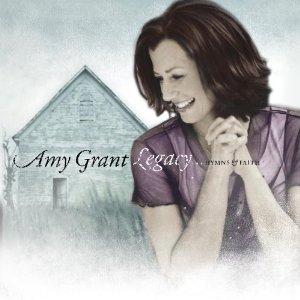
 , in fact, and well worth your listening. Her album from a few years back called
 will take you deep into the heart of the American South, though. If you grew up in the region, this music played in the background of your daily life, whatever your religious thoughts. If you’re not familiar with the area, listening to this music will teach you more about it.
 sometimes take a bit of looking for. They are well worth it, filled with great singing and vivid, insightful writing, which is by turns funny, serious, thoughtful, and lyrical.



 The song titles bear her out: Hold On, Love You in the Middle, When Being Who You Are Is not Enough, Spinning Wheel, and No Good Day for Dying are among them.


