Saturday, March 05, 2022

Ireland's music: Day Is Come from The Alt

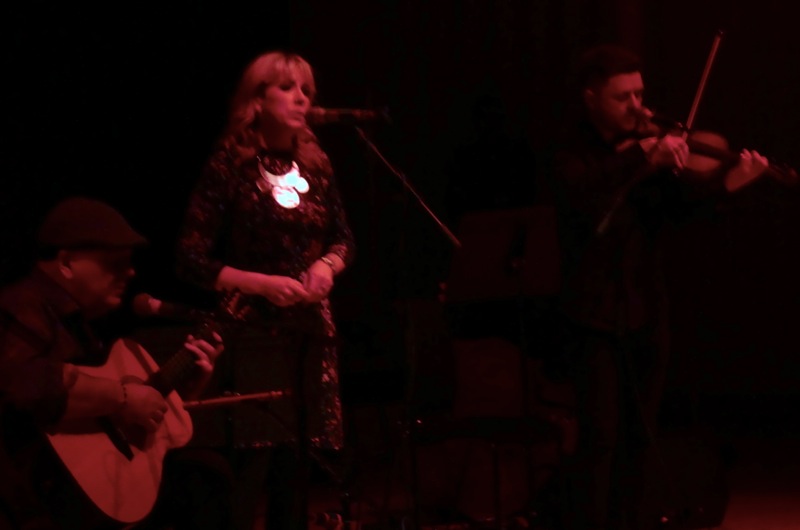
Stories told through song: that is one thing the three musician who are the trio The Alt love and have in common.

They are great at telling stories through tunes -- music with no words-- as well.
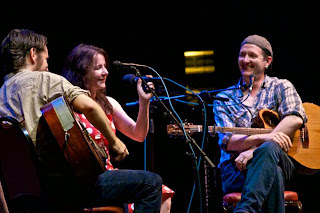
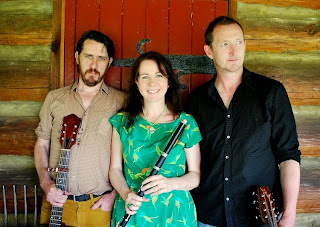
As well they should be, as each of the three musicians -- John Doyle, Nuala Kennedy, and Eamon O’Leary -- have flourishing careers with other music projects. They also like the music and sound the create when they have the chance to get together. Hence, The Alt.

Day Is Come is their second recording together. On it, you will find a lively journey of song in both English and Irish, along with class tunes, some original and some drawn from traditional sources.

All three sing, and well know how to handle lead voice as well as support others. O’Leary plays bouzouki and harmonium on the recording, Doyle adds his own touch on bouzouki as well as playing guitar, mandola, keyboards, and bodhran, and Kennedy plays whistles and flutes. Guest fiddlers Marius Pibaret and Kevin Burke sit on several tracks.

Each of the ten tracks on the album is well worth repeated listening, as is the story as the artists have sequenced it. That said, several to listen out for especially include

Ta Na La/Day Is Come is an Irish language song, a cheerful drinking song at that. The trio offer it in a version known in Oriel, the ancient medieval area on the east coast of Ireland of which Nuala’s home town of Dundalk is part. As is fitting for that, Nuala’s light and lively voice leads the vocals after a short intro on the flute. The men join in on the choruses and their strings add sparkle to the vocals and join the flute for instrumental breaks framing the verses.
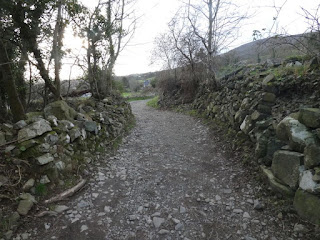
For the The Willow Tree, O’Leary takes lead voice. It’s a song in English by the scholar, singer, and songwriter Padraigin Ni Uallachain, whose music you have met here along the Music Road several times. It’s a reflective love song grounded in Irish landscape, which sounds as though it could have come from centuries back rather than being a contemporary piece. Harmonium and guitar weave a journey around O’Leary’s warm baritone and the graceful backing of Doyle’s tenor and Kennedy’s soprano. Kevin Burke joins on fiddle.

The Connaught Rangers has lyrics from a poem by Winifred M. Letts, set to music composed by John Doyle. The three musicians sing unaccompanied, with John’s strong tenor taking lead on lyrics which are a lament for those from Ireland who served in World War I. It is a fine way to hear just how good their harmonies are, and how well the three musicians work together.
You’ll do well to listen to each of the other tracks as well, which include a lively song in Irish which Nuala often sings to her young children, fine harmonies from Nuala and John backing Eamon’s lead on Paddy’s Land along with great playing from all three, two sets of tunes which mix originals from Kennedy and Doyle with tunes from the tradition, and a great version of the Child ballad Flower of Northumberland with Nuala on lead.

Day Is Come has no shortage of lively music, but through all that there’s a reflective, feeing, somewhat quieter in feeling than their first album. That John Doyle, Eamon O’Leary, and Nuala Kennedy created this outstanding collaboration during constraints on travel and connection is testament to their resilience and creativity as well as their musicianship.

Day Is Come is lasting music, with music to tap your feet or step along to,, to sing with, to enjoy quietly. Stories of Ireland well told in music indeed

You may also wish to see
Songs of the Scribe from Padraigin Ni Uallachain
The Path of Stones from John Doyle
The Alt, the trio’s first album, self titled
A bit about Nuala Kennedy’s album Behave the Bravest along with three other albums you may enjoy...

-->Music Road is reader supported . Your support for Music Road is welcome and needed. If you are able to chip in, here is a way to do that, through PayPal. Note that you do not have to have a PayPal account to do this. Thank you.

Another way to support: you could Buy Me a Coffee at ko-fi.com

If you enjoy what you are reading here, check out my newsletter at Substack for more stories about music, the people who make it and the places which inspire it.

Labels: , , , , , , , , , , ,

Bookmark and Share
posted by Kerry Dexter at 0 Comments

Sunday, March 14, 2021

Ireland's Music: John Doyle: The Path of Stones

John Doyle is a top class arranger, producer, songwriter, and guitarist. That may explain why his on solo projects are a bit far between. It could also explain, at least in part, why they are well worth waiting for.

The Path of Stones is Doyle’s most recent solo album at this writing. It’s a project which draws on all those aforementioned skills along with several others. It is the Irishman’s songwriting and singing however which are to the forefront on The Path of Stones.

That said, the opening track and the first single from path of Stones was a song from Ireland’s 1798 Rebellion, about says, Doyle, “a rambling rake from Clare” who eventually escapes to America. County Clare in the Republic, or Clare townlands in County Tyrone in the North? That’s a matter for discussion. Doyle, comes down on the side of Clare in the Republic, though. He made a few adjustments to the melody but otherwise kept to the tradition for the song he’s known for many years. It’s called The Rambler from Clare.

That proves a good starting point for the journey which Doyle leads through the rest of the album, nine more tracks, all of which are of his own composition.

There’s the lively and intrigung tune called Elevenses, which finds Doyle playing high 5 string guitar and mandolin in addition to guitar, joined by Mike McGoldrick on flute, bodhran, and other percussion.

Lady Wynde offers a tale which sounds as though it could have come from long ago, with Doyle’s strong tenor and Cathy Jordan’s haunting supporting vocals adding depth to the story, helped by Duncan Wickel’s contributions on fiddle and cello.

Doyle is a graceful singer and a fine storyteller. For the title track, The Path of Stones, he drew inspiration directly and indirectly, from another Irish artist, William Butler Yeats. If you are familiar with that poet’s work or images, you’ll find how Doyle has drawn from them in the song. If you’re not, you may be inspired to go look Yeats up. The song stands on its own, though. Melody, lyric, image, and story will give you much to think on long after the song is done.

There are other gems on The Path of Stones. All the tracks are well worth your listening, repeated listening in fact. They are by tunes reflective and upbeat, haunting and uplifting, song and tune alike.

Doyle produced the album, which was recorded in Sligo in Ireland and in North Carolina in the US. In addition to singing and playing guitars and mandolin, Doyle plays harmonium, mandola, fiddle, bodhran, bouzouki, and keyboards on various tracks. In addition to McGoldrick, Wickel, and Jordan, he’s joined from time to time by fiddler John McCusker and Rick Epping on harmonica.

John Doyle's web site

Photograph of John Doyle with green scarf courtesy of the artist,photograph of John in performance made at The Celtic Connections festival in Glasgow by Kerry Dexter with permission of the festival, the venue, and the artists. Thank you for respecting copyright.

You may also wish to see
The Alt, a recording John Doyle, Nuala Kennedy, and Eamon O’Leary
John’s album Shadow and Light
John’s album with Karan Casey, called Exiles Return.
John often collaborates with Cathie Ryan. Learn about her album Through Wind and Rain

-->Your support for Music Road is welcome and needed. If you are able to chip in, here is a way to do that, through PayPal. Note that you do not have to have a PayPal account to do this. Thank you.

You can also Buy Me a Coffee at ko-fi.com

If you enjoy what you are reading here, check out my newsletter at Substack for more stories about music, the people who make it and the places which inspire it.

Labels: , , , , , ,

Bookmark and Share
posted by Kerry Dexter at 0 Comments

Saturday, March 14, 2020

Ireland's music: Aoife Scott: Homebird

Aoife Scott opens her album Homebird with a song called Another Reason. It’s a song of hope and welcome and celebration, written by Scott and Andy Meaney for the birth of their niece Kitty.

It’s a song both gentle and lively at once. It begins a path into fine and varied storytelling through the tracks which follow.

Scott has a a warm and lovely voice, and well knows how to use the colours of it in the stories she chooses. Whatever sort of story she offers in a song, her love and respect for being a singer and sharing music come through clearly.

There is Ireland’s Hour of Need, in which the singer connects heroes from Ireland’s history to the present. It was written by Barry Kerr. On a somewhat related theme, Scott and Meaney wrote Fuel I Need. The idea there, Scott writes in the sleeve notes “is to know that your own strength and power will prevail,” as you turn anger in a better direction.

Irish Born, which Andy Meaney wrote, has a lively tune with a memorable sing along chorus. The words talk of experiences of the many Irish people who travel and live far from home.

There a gentle contemporary love song in Irish, Do Mhuirin O, and The Night Visiting Song from the tradition.

There a song from another tradition, too: a family tradition. Aoife is the daughter of Frances Black; her aunt is Mary Black; and many other Black family members are musicians too. It was her Granny Black who taught all of them how to sing, Scott says, but it was from her Nana Scott that she learned the sprightly song The Dublin Saunter. In Nana Scott’s honour and memory, she sings it here. Through her rendition you can see a lively atmosphere of a walk in Dublin on a spring day, and perhaps hear a bit of the love and joy Nana Scott shared in teaching the song to her granddaughter.

There are more tracks on the album; all of them are keepers and well worth your listening more than once. Scott brings things to a reflective close with a quiet take on a song by Briege Murphy called The Sea.

Ron Block (yes, that Ron Block, of Alison Krauss + Union Station) produced Homebird. He plays banjo on the album as well, along with Nashville compatriots Stuart Duncan on fiddle and Sierra Hull on mandolin. The contingent of Irish musicians in addition to Scott and Meaney includes Cathal O’Curran on bodhran, Floriane Blanke on harp, and Mary, Frances, Martin, and Michael Black along with next generation Black family members Roisin O, Danny O’Reilly, and Eoghan Scott on backing vocals.

You may also wish to see
Aoife Scott’s web site
Listening to Ireland:Patrick Season
About Aoife Scott’s album Carry the Day
Ireland’s music: Foxglove & Fuschia from Muireann Nic Amhlaoibh

-->Your support for Music Road is welcome and needed. If you are able to chip in, here is a way to do that, through PayPal. Note that you do not have to have a PayPal account to do this. Thank you.

Labels: , , , , , , , ,

Bookmark and Share
posted by Kerry Dexter at 0 Comments

Sunday, June 02, 2019

Ireland, Scotland, and Story: Allt from Julie Fowlis, Eamon Doorley, Zoe Conway, and John McIntyre

Music is story. Story told in word, stories held in melody and harmony, through voice, instrument, and language. Those are aspects of music that Julie Fowlis, Êamon Doorley, Zoe Conway, and John McIntyre investigate and respect in their recording Allt.

The stories they choose to explore for this recording come from the traditions of Ireland and Scotland. There are songs and tunes from history, alongside songs with words from contemporary and historic poetry for which the musicians have made new music, and new compositions of their own creation drawing on traditional style.

That may sound like quite a bit to pack into a cohesive whole on a recording of eleven tracks. It is, and if anyone is well qualified to take that on, it is these four.

Each of these musicians is well known for a particular aspect of their creative gifts. Those come into play here -- and they each go beyond those to share other aspects of their talents. Julie Fowlis is known as a lead singer; here she sings harmony and plays whistles as well. Êamon Doorley’s work on the bouzouki has marked him as one of the best on that instrument in the Celtic world. Here he sings and plays fiddle as well. Zoe Conway is well known and much in demand for her work on Irish fiddle and on classical violin; for this project her lead and harmony vocals and her skills on the whistles also come into play. John McIntyre, best known as a guitarist, steps up to sing here as well as adding in his piano skills.

As the recording opens, each takes it in turn to lead the music, and they each step in to support the others as the music progresses. Fowlis sings lead on Port Dannsaidh Hiortach the lively Saint Kilda Dance Song, which is paired with Deora Dé, a tune from Conway. You can hear Conway’s singing on Faoiseamh a Gheobhadsa, a gentle, searching ballad with words by Máirtín Ó Direáin whose title means I will Find Solace. McIntyre steps up for a song called An Ghaelige, which as its title might suggest is in praise of (and in part lament for) the language. This is followed by a set which sees two tunes by Doorley bookending one by Conway.

Those descriptions do not begin to do justice to the thoughtful, insightful way these stories are told through music, and the way the musicians support each other. Clearly these are artists who are deeply grounded in their own gifts and tradition, and well able to focus and listen to each other as the tunes unfold.

Add to that the way this project was recorded.

"Êamon and I were fresh from recording with Calum Malcolm,” Fowlis says “and I couldn’t see past working with him again!  I enjoyed working with him so much.  He is such an intuitive engineer and enjoys recording live, and in different settings.  As a quartet, we were keen to make this a live, honest and spontaneous recording.  And that’s what happened.  Calum set it up in such a way that we felt comfortable and inspired to play.  We used vintage mics, and recorded in the round. "

The project began from conversations between the two women.

Conway comes from and still lives in County Louth in Ireland. So does McIntyre. The two are married, as are Fowlis and Doorley, who come from Scotland and Ireland respectively, and make their home in the Highlands of Scotland.

Along with Irish musician Muireann Nic Amhlaoibh, Fowlis presents Port, a television series which traces connections among Celtic music and musicians. “Zoe and I worked together on one of the Port series on BBC ALBA.  She came to Ross Shire in the Highlands as a visiting artist, and it was then we really got chatting (and playing!) together,” Fowlis recalls. “Our paths had crossed before, on one of Bill Whelan’s performances in Belfast for example, but this was when we really got to know one another.  Sometimes you just really click with someone, and we both said that it would be great to do more together after that shoot.”

The pair stayed in touch and began discussing ideas. They liked the idea of writing new music together, and of honouring the languages and traditions of the landscapes they knew and loved. Support from Creative Louth, The Arts Council Of Ireland, and Iomairt Columcille allowed the four musicians time to research traditional and contemporary poetry they wanted to frame with new music, and to compose that music as well. “We searched out poetry to set music to, and ideas for tunes between us and started sending ideas back and forth,” Fowlis says. “We love the tradition but also the idea of adding to the store of songs and tunes and so we quickly settled on the idea of composing new music in a traditional style.”

There are fine lively pieces -- Dúirt Bean Liom in Irish paired with the tune Ríl Eóin and Na Hú Bhithinn paired with Hó Ró Na Priobaidean in Scottish Gaelic show the musicians’ joy in picking up the pace. A more reflective piece is Air an Somme, with words by Donald MacDonald.

There are instances of fine harmony work through many tracks on the project. This comes to the fore especially on the closing piece, An t-Earrach Thiar, a title which translates as spring in the west.

Bringing together tradition and inspiration, along with respect for language, history, and place: Julie Fowlis, Êamon Doorley, Zoe Conway and John McIntyre have created a lasting legacy with their work on Allt. "There are such beautiful poems out there, some hundreds of years old, some contemporary, and we felt really inspired to set these words to new music to bring them to life as songs, " Julie Fowlis says.

You may also wish to see
Julie Fowlis and Muireann Nic Amhloaoibh made an album exploring connections between songs in Scottish Gaelic and Irish called Dual.
Alterum from Julie Fowlis
Êamon Doorley is a member of the band Danu. Learn about their album Buan.

Photograph of Zoe Conway and John McIntyre and Julie Fowlis courtesy of the artists. Photograph of Eamon Doorleys by Kerry Dexter. Thank you for respecting copyright.

If you enjoy what you’ve been reading here, a way to support more of it: Buy Me a Coffee at ko-fi.com Thank you!

Labels: , , , , , , , , , , , , , , , , , ,

Bookmark and Share
posted by Kerry Dexter at 0 Comments

Sunday, March 31, 2019

Ireland's Music: Cherish the Ladies Heart of the Home

Joy and sorrow, light and shadow, tears and laughter: al these find their places in the music of Ireland. Indeed, you might say that songs and tunes and stories which bring all these in are the substance of Ireland’s music.

A fine place to hear this on the recording Heart of the Home, from Cherish the Ladies.

Heart of the Home opens with a set of tunes composed by flute player Joanie Madden to honor her father’s home town in East Galway. The Portumna Workhouse tells a tale without words of reflection on the darker side of things during the famine years, while the The Hurling Boys of Portumna takes a lively an lighter tack, It is for, Madden said “All those might men who brought tremendous glory to the town through sport.”

Singer and guitarist Kate Purcell, from Clare, steps in to join the band for the song Glenties. An image filled reflection on a small town in Donegal, it was written by musician Maurice McGroth while he was staying in the town. Purcell and the band combine for a graceful, atmospheric performance which is one of the standouts on the recording. Listen out especially for Nollaig Casey’s fiddle as the band backs Purcell on this track.

Cherish is a class act: Heart of the Home is their seventeenth album. More than than thirty years ago, Joanie Madden, who plays flutes and whistles, and Mary Coogan, whose instruments are guitar, bouzouki, and banjo, were founding members of the band. Joining them these days are Mirella Murray on accordion, Kathleen Boyle on piano, and Nollaig Casey on fiddle. In performance and on record they often invite guests to join in.

As you might suppose from the title, the idea of home and well loved places runs through the music chosen for this recording. Another highlight of Heart of the Home is Ambletown, the song of a seafaring man longing for home. That home, in the song, is in the north country, so it is fitting that the Ennis Sisters, who come from Newfoundland in Atlantic Canada, join in as the voices.

Ways of thinking about home take twists and turns. Kathleen Boyle joins a Turlough O’Carolan piece with a tune she wrote for some of her former students in The Murphy Boys set. The Letty from Cavan set includes a tune Madden wrote for her neighbors along with tune fro Ed Reavy and Martin Mulhaire, both Irish musicians who emigrated to the United States. There are several sets with tunes the women found in Irish tune books from the nineteenth century which allow them to have great times telling stories as their instruments converse with each other. Farewell to the Catskills is a lyrical tune Madden wrote about a place in New York state which has often welcomed people with ties to Ireland. Galway balladeer Don Stiffe steps in to sing Shadow of a Singer and his Song, in which songwriter Dermot Henry looks back at the changes and challenges of his early days in music, finding among hardships a sense of home in the connection between performer and audience.

There is the title track, Heart of the Home, written by Andy M. Stewart. Not long before he passed away, songwriter Stewart suggested that this would be a good piece of Cherish the Ladies to take on, and indeed they did, inviting Irish country singer Nathan Carter to sing the lyrics for the recording and the video. On tour, Purcell often sings the lead; they each add distinctive presence to the song, with the instruments from the band weaving in and out an through their singing.

When Cherish began, there were very few well known Irish women musicians. A whole band of top class women musicians? That was unheard of. Cherish the Ladies did, however, make themselves heard. Through the years they have played with top class musicians from symphony orchestras to country musicians to the best in Irish music. Time in Cherish has been part of the careers of many top class musicians as well, among them, fiddler Eileen Ivers, dancer Jean Butler, singers and songwriters Cathie Ryan and Heidi Talbot, and singer Aoife Clancy.

Heart of the Home is a fine next step of Cherish the Ladies. If you know their work you will certainly want it; if you’ve not yet met them, this is a fine place to make their acquaintance. They tour extensively, too . As the music on Heart of the Home suggests, you will certainly enjoy seeking out the chance to see Cherish the Ladies in performance.

Photographs oby Kerry Dexter, made at the Celtic Connections Festival In Glasgow, with the permission of the artists, the festival, and the venue.

You may also wish to see
Eileen Ivers Beyond the Bog Road.
Cathie Ryan Through Wind & Rain
Cherish the Ladies storytellers in music, which talks about their winter holiday albums

Your support for Music Road is welcome and needed. If you are able to chip in,
here is a way to do that, through PayPal. Note that you do not have to have a PayPal account to do this. Thank you.

Another way to offer support, you could Buy Me a Coffee at ko-fi.com

Labels: , , , , , , , , , , ,

Bookmark and Share
posted by Kerry Dexter at 0 Comments

Wednesday, March 28, 2018

Ireland's Music: Murieann Nic Amhlaoibh: Foxglove & Fuschia

As she was planning the project which would become her album Foxglove & Fuschia, Muireann Nic Amhlaoibh decided she wanted the music to be a bit like what she might do if she were planning for a gig in a pub near her home in Corca Duibhne, the Dingle peninsula, in the west of Ireland. It’s a situation she knows well, as she grew up in Dingle, surrounded by music and going to sessions from a young age.

As ancient stones and worn paths through mountain and along coast attest, people have been calling the Dingle peninsula in the west of Ireland home for thousands upon thousands of years. Rain and mist and wind, mountain and sea meet in a landscapes that suggests and evokes history and story.

Those stories are often told, shared, and forged through music.

Muireann Nic Amhlaoibh has studied in Dublin, taught in LImerick, and traveled the world with her music. For thirteen years she was lead singer and flute player with the top Irish band Danu. I came time, though, to return to to her native west Kerry, to live again in the Irish speaking region of the far west of Dingle where she herself had grown up and begun her life in music,

She also thought at the time that stepping away from Danu might be the end of her public career as a musician. It wasn’t.

/>

A sure and steady vision of where she is and what she wishes to create as an artist is at the heart of Foxglove & Fuschia, which is Nic Amhlaoibh’s third solo album. There are songs in English and in Irish, and a few well chosen tune sets too.

Some of the music has its origin in west Kerry. Other songs and stories make their way in from father afield. They all, though, relate in some way to that life of water and mist, music and mountain and story found in Dingle.

There is the gentle joy of word and lyric in Muirisin Deas is Nora, a song from The Great Blasket Island, which lies just to the west of the tip of Dingle. It is about a couple who have been married a long time and are still very much in love. The words in Irish are from a traditional poem, set to a new melody by guitarist Gerry O’ Beirne. O’Beirne, who often plays with Nic Amhloaibh when she goes on the road with her music, supports her on the song for the recording.He also wrote the image filled song Where Foxglove, from which Nic Amhlaoibh drew the title for the recording.

For most pieces on Foxglove & Fuschia, there are just one two musicians joining Nic Amhlaoibh. That still leaves good scope for family and friends to sit in, though: there’s a set of reels with Nic Amhlaoibh’s husband Billy Mag Fhlionn on bouzouki and a friend from her days with Danu, Donnchadh Gough, on bodhran, and on a set of polkas with her father, Feargal MacAmhlaoibh, as the fiddler, and with longtime friends, Padraig O se on accordion and Donough Hennessey on guitars. Donal O’Connor, Seamus Begley, Pauline Sclanlon. Eilis Kennedy and John McSherry are among those who sit in on various tracks, too.

It is Nic Amhlaoibh’s voice and vision which define what’s happening on the album, though. Nowhere is that more evident than on The Final Trawl, a song of the sea by Scotland’s Archie Fisher. As part of her working co presenting the television programme Port for BBC Alba with Scottish singer Julie Fowlis, Nic Amhlaoibh had the chance to meet and sing with Fisher, who wrote the song with ideas and images drawn from his experience of seafaring.

Another song that weaves together the album’s ideas is Bean Dubh an Ghleanna. It is Nic Amhlaoibh says, one of the big songs which to her mind make up the classical tradition of Ireland’s folk music. Nic Amhlaoibh grew up in Dingle, in the Gaeltacht, where, she points out, you don’t actually study the traditional style of sean nos, you’re given the words and the melody and expected to find your own way into them.

Indeed, so she has, through each of the tracks on the recording. There are eleven of them, and each invites repeated listening. Tune, song, and story shared in ways which honor tradition and create it anew in one of Ireland’s most interesting and creative voices: this is what you will find on Foxglove & Fuschia.

Photographs of Muireann Nic Amhlaoibh and friends in concert at Celtic Connections in Glasgow, Scotland, by Kerry Dexter, made by permission of the artists, the festival, and the venue. Thank you for respecting copyright

You may also wish to see
Muireann Nic Amhlaoibh & Julie Fowlis: Dual
Musireann Nic Amhlaoibh: The Small Hours
Muireann Nic Amhlaoibh’s web site
Cathie Ryan: Through Wind & Rain

-->Your support for the work,here at Music Road is welcome and needed.
Here is one way to offer that, through PayPal. Note that you do not have to have a PayPal account to do this. Thank you.

Another way to support: you could Buy Me a Coffee at ko-fi.com

Labels: , , , , , , , , , , , , , ,

Bookmark and Share
posted by Kerry Dexter at 0 Comments

Friday, March 02, 2018

Ireland's Music: Aine Minogue: In the Name of Stillness

Music is framed in silence. There’s a saying that as a painter paints on canvas. so a musician paints on silence.

Silence and stillness often go together. They are not the same thing, though. In both silence and stillness, there is music.

Music partners often with dance, and with other sorts of movement -- clapping, stamping feet, and such. Yet music, in both creation and listening, may also be framed in stillness.

Aine Minogue has called her most recent album In the Name of Stillness.

Minogue’s instrument is the harp. She is from Ireland, born in County Tipperary and with a master’s degree in traditional Irish harp performance from the University of Limerick. She has been resident in the United Staes, in New England, for some time.

You may hear the landscapes of both places in the nine instrumental and one vocal track on the album. They are all original compositions. Titles include Sitting Pilgrimage, Quiet Absence, Chant of Eternity, and Home of Belonging. In the Name of Stillness, Minogue’s fourteenth recording, is the second in a series she is calling Celtic Meditation Music. “Whether it’s used in meditation or contemplation,” Minogue says, “stillness helps to open or create more space for ‘something else to come in’ … more peace, clarity, balance, serenity, perspective. For me, stillness says it all.” 

Each piece, and the album taken as a whole, does invite reflection, and coming to a place of stillness. Music and the spaces between the notes blend into each other and lead the listener on a journey of spirit, and indeed, hope. Minogue’s harp leads the way, in quiet conversation with. on occasion, guitar, cello, oboe, clarinet, and keyboards.

In the sleeve notes which accompany the recording, Minogue has chosen words to go along with each track, which, she says, may be helpful to think about in establishing the mood of each piece. These include ideas from sources ranging from Wendell Berry to Thomas Merton to Chief White Eagle.

In the series of videos created to go along with the music (one of them is below) images and these words offer additional material for reflection. Each composition, Minogue says, is a "combination of blessing, community, ritual, and intention,” all things that are integral to Celtic spirituality and tradition. Silence which frames lines and notes of music is a vital part of composition and communication of musical ideas; one might almost say that Minogue’s work leads to contemplation of silence within the notes as well. Take a listen.

You may find out more at Aine Minogue’s web site.

You may also wish to see
Music for Winter’s Changes at Wandering Educators, which includes a video of another track from In the Name of Stillness
Winter Through a Musician’s Eyes, at Perceptive Travel
Music and Mystery: A Conversation with Carrie Newcomer
Ireland’s Music: Cara Dillon: Wanderer

-->Your support for Music Road is welcome and needed. If you are able to chip in, here is a way to do that, through PayPal. Note that you do not have to have a PayPal account to do this. Thank you.

Another way to support: you could Buy Me a Coffee at ko-fi.com

Labels: , , , , ,

Bookmark and Share
posted by Kerry Dexter at 0 Comments

Sunday, June 11, 2017

Celebrating Cape Breton's heritage and connections through music: Celtic Colours Live volume 4

Cape Breton lies in the far north of Nova Scotia, in Atlantic Canada. There are parts of the island which do not look lot like Scotland, and places where it looks very like. Places where it sounds like Scotland, too: Cape Breton is almost alone as a place outside Scotland where Scottish Gaelic is spoken. Spoken and sung, that is. When immigrants -- some seeking a better life, some fleeing political and economic strife, some driven from their homes-- came over from Scotland, they often brought with them few material goods. They did, however, bring their songs, their tunes, their dances, and their stories.

They found First Peoples tribes on Cape Breton, and across the years, as more people from Scotland came, so too came folk from Ireland, from the United States, from central Europe, from Scandinavia, from other parts of Canada. The heart of Scotland’s culture beat strongly through all this, sharing influences and being influenced by landscape, weather, and life on an island as well as crossing paths with people from these other backgrounds. So a unique culture emerged, connected to Scotland but different, one that could -- and still does -- celebrate the distinctions as much as the connections.

Every year in autumn the people of Cape Breton invite the world home to experience this. For nine days in October each year beginning just before Thanksgiving in Canada, concerts and cultural events are staged all across the island in communities large and small, in purpose built concert halls, churches of many faiths, school houses, fire halls, pubs, historic sites from one end of the island to the other. This is the Celtic Colours International Festival.

The music is both focused and diverse, There are tradition bearers from Cape Breton, and rising stars. There’s always good representation from the other provinces of Atlantic Canada, from Ireland, from the United States, from across the rest of Canada, and naturally from many parts of Scotland. Both tradition bearers and rising stars are part of these strands of music as well.

You may be reading this in summer and thinking: Why am I hearing about this now since it happens in October?

One reason is the recording Celtic Colours Live volume four. Through thirteen tracks recorded live as they happened in venues across the twentieth anniversary season of the festival in 2016, you will get a fine feeling for what the music of Celtic Colours is like.

In a concert from the Acadian part of the island in Belle Cote, Le Vent du Nord kicks things off with rousing Quebecois style. Fiddle tunes from Andrea Beaton and Liz Carroll hold a lively dialogue among Cape Breton, US, and Irish strands, from an event recorded at the Dangerous Duos concert in Mabou.

That Dangerous Duos concert, by the way, is a good taste of what Celtic Colours does so well -- not only do old friends get to meet up and play music together, but people who don’t usually play together join up. Scheduled or not, the results are always well worth the hearing. There are several other collaborations from the Dangerous Duos evening on Celtic Colours Live volume four.

Speaking of collaborations: the whole of The Unusual Suspects band could be seen as that. In Scotland, musicians Corrina Hewat and Dave Milligan had the idea of creating a folk orchestra, with players from the varied regions and traditions of the country. Not an easy task to pull off -- but they did it, and have kept it going for some time. They’ve brought it to Celtic Colours before, too, where they become The Unusual Suspects of Celtic Colours by adding top Canadian musicians to the mix, folk such as, in 2016, Wendy MacIsaac, Lisa MacNeil, and Daniel Lapp. Scottish and CB tunes made up the band’s Finale Set, which is what appears on record for this album. Not quite as high energy as being there, but almost.

There is plenty of high energy music on the recording, and at the festival itself. There are quieter times too, though, and these are well represented. Top Scottish storyteller in song Archie Fisher joins up with CB guitarist Cyril MacPhee for the Buddy MacDonald song We Remember You Well. Newfoundland trio The Once. who are Geraldine Hollett, Phil Churchill, and Andrew Dale, bring their original song Gonna Get Good. Scotland’s Dougie MacLean joins up with Canada by way of Scotland guitarist Tony MacManus for the song Talking With My Father -- listen out for that guitar on this track.

There’s more -- Gaelic song from students at the Royal Conservatoire of Scotland, Irish fiddle from Liz Doherty, Americana and Canada meeting up in the work of April Verch and Joe Newberry, and of course Cape Breton music and artists through it all.

It is no easy task to make a live recording work. This one does on all counts, with the music, the hints of audience sound, the occasional tapping or step dancing feet, and the sense of presence in the venues. Congratulations to Jamie Foulds, who recorded, mixed, and mastered the tracks, and Declan O’ Doherty, who produced.

If you happen to be reading this in summer, you’ll want to know that the Celtic Colours Festival will be announcing the artist line ups near the end of June, and tickets will go on sale in mid July for the festival, which will take place in 2017 from 6 to 14 October. In addition to half a dozen or so concerts each evening of the festival, there are talks, workshops, art exhibits, farmers and craft markets, community meals, storytelling times, music sessions, ceilidhs, events for children... keep your eye out on the festival web site celtic-colours.com for information about all these things.

One other thing: For every ticket sold for the 2017 festival, there will be a maple tree planted on Cape Breton Island.

You may also wish to see
Scotland’s Music a Different Way: The Unusual Suspects.
Sounds of Cape Breton
Cape Breton Music: Remembering Raylene Rankin
Celebrating Canada and Newfoundland: The Once
Canada’s music: Natalie MacMaster and Donnell Leahy
Tony McManus: The Maker’s Mark

-->Your support for Music Road is welcome and needed. If you are able to chip in, here is a way to do that, through PayPal. Note that you do not have to have a PayPal account to do this. Thank you.

Labels: , , , , , , , , , , ,

Bookmark and Share
posted by Kerry Dexter at 0 Comments

Sunday, November 27, 2016

Music for the heart of winter: Cathie Ryan

Christmas, and season of Advent which comes before it, are times that invite both celebration and reflection. These cold days of winter when dark comes early invite quiet solitude and well as gathering and sharing in community. Winter and its holidays and holy days have inspired musicians to explore all these things in many ways: through classic songs of the season which have been handed down, through their own ways of interpreting familiar songs, and through creation of their own seasonal stories.

Cathie Ryan is one such musician. The award winning Irish American singer and songwriter tours internationally through the year and has been a guest on winter season programs of other top artists. This is the first year, though, that she will be offering a series of holiday concerts of her own design. It is to be called The Winter’s Heart.

“I love Christmas! The sharing of meals, of gifts, of song, of together time is a blessing,” Ryan says. “We all slow down to be with our family, our community. No matter how stressed we are, Christmas seems to take the edge off, people are more patient and kind. I wanted to bring the band together to make some beautiful Christmas music that we could all share. And to sing to those who may not have anyone to celebrate the holiday with - to ameliorate the loneliness. Music does that. One of my most favorite things about Christmas,” she adds, “is that we celebrate the holiday with song.”

That recognition of connection and community goes deep for Ryan. She grew up in Michigan, the child of parents who had emigrated from Ireland. They’d spend time in summer with family back in Kerry and in Tipperary. In Detroit, her parents loved not only Irish music but country singers such as Johnny Cash and Loretta Lynn, and Ryan also heard music of Motown and of Appalachia. As an adult Ryan has spent time living in both the US and in Ireland. All of this has had influence on how she understands music. She’s chosen the subtitle of the Winter’s Heart series to be An Irish American Christmas.

That duality was one of the things which guided Ryan’s choices of music for the shows. “I love Christmas songs and the impulse was to do lots of songs we all know already, but I’d like to highlight our Irish American traditions through song so that will mean new songs!” she says. “There are some beloved songs that are musts, like Silent Night, and we will be singing those. My guitarist, Patsy O’Brien, and I have written a song called The Winter’s Heart that we’ll do. There are also some lovely Christmas songs sung in Ireland in Irish and in English that aren’t so well known in America, and I look forward to sharing those.”

The spiritual aspects of the season also go deep for Ryan. “The way we open our hearts at Christmas inspired the show’s title. The Winter’s Heart seems to encapsulate everything I believe Christmas is about, including Christ being born at Christmas and all of the heart centered teachings of Christianity. It is beautiful that in this time of cold and barrenness, a time when most of us go inside, we open our hearts, our homes, to new hope, new life and to each other. It raises us up.

“We have a big, beautiful shared songbook, we all join in the music,” Cathie Ryan says. “It is a reminder that we are all connected at the core. I love that.”

Tour dates for The Winter’s Heart: An Irish American Christmas

On this tour, Ryan will be accompanied by Patsy O’Brien from Cork on guitar and vocals, Patrick Mangan from New York on fiddle, and Kieran O’Hare from Chicago on uillean pipes, Irish flute, and tin whistle. Among them the three men have appeared with a roster of top artists including Eileen Ivers, Don Henley, and the Milwaukee Symphony, and have appeared on stages with shows from from Riverdance to Broadway theater.

Tour graphic courtesy of Cathie Ryan; photos of Ireland in winter and Cathie Ryan with bodhran by Kerry Dexter. Thank you for respecting copyright.

You may also wish to see
Cathie Ryan’s most recent recording Through Wind and Rain.
Cherish the Ladies: storytellers in song
Listening to Christmas
First week in Advent: candle in the window

-->Your support for Music Road is welcome and needed. If you are able to chip in, here is a way to do that, through PayPal. Note that you do not have to have a PayPal account to do this. Thank you.

Labels: , , , , , ,

Bookmark and Share
posted by Kerry Dexter at 1 Comments

Saturday, November 05, 2016

Cathie Ryan: The Winter's Heart Tour

Dark comes early in winter in Ireland, and sunrise comes late. It’s a time for turning inward, for reflection, for seeking grace, for seeking home. It’s a time as well for celebration of home and hearth, of winter’s beauty in the landscape, in the gifts of friendship and family, and music.

Musician Cathie Ryan knows these things well. First generation Irish American, she has lived out these traditions growing up in the United States and as an adult, living in both the US and Ireland.

Candles in the window to light loved ones home, hunting the wren on Saint Stephen’s Day, telling and retelling of well loved stories and singing of well loved songs, and honoring the winter solstice and the turning of the seasons as well as the time of Advent and Christmas: these are a few of the traditions of Ireland Ryan has received from and shared in her own family. This season, she’s decided to create a series of concerts to bring these things to her audiences. On 30 November Ryan will begin a run of concerts in the US to be called The Winter’s Heart: An Irish American Christmas.

Though she has at times appeared as a guest on holiday concerts with other Irish artists, this will be the first time Ryan is creating a winter themed run of performances of her own. Known for her compelling voice, inspired songwriting, and thoughtful selection of songs from the tradition and from contemporary writers, Ryan is also loved by her audiences for her lively storytelling and fine wit. All of these will be in play for The Winter’s Heart.

Joining Ryan for the tour will be award winning guitarist Patsy O’Brien. He has brought his soulful playing to work with Eileen Ivers and Paddy Keenan, among others. Patrick Mangan will handle fiddle playing for the tour, as he’s well qualified to do, having twice won All-Ireland fiddle championships and recently toured as a featured soloist with Riverdance. Keiran O’Hare will bring his pipes, flute, and tin whistle into the mix. He’s an internationally renown performer who has appeared with Mick Moloney, Liz Carroll, Josh Groban and Don Henley.

It is Ryan’s voice and vision which will center each evening’s performance, however. She has been at the forefront of Irish and Irish American music for more than two decades, bringing clarity of voice and the creativity of imagination to creating music which draws on legend and history as well as present day, which intertwines worlds of nature and myth, and which holds elements of both sides of her heritage. All this, Christmas, and flashes of humor as well -- these are bound to be evenings to remember.

Tour schedule and information for The Winter’s Heart

Photograph of Cathie Ryan in Santa hat by Kerry Dexter. Thank you for respecting copyright.

You may also wish to see
Cathie Ryan: Through Wind and Rain
An Evening in Belfast
Cathie Ryan: teaching tradition
Cathie Ryan: The Farthest Wave
Narada Presents the Best of Celtic Christmas, a two disc set for which Ryan sings the opening track, It Came Upon a Midnight Clear. Other artists on the recording include Dordan, Frankie Gavin, Natalie MacMaster, Kathy Mattea, and Altan.

-->Your support for Music Road is welcome and needed. If you are able to chip in, here is a way to do that, through PayPal. Note that you do not have to have a PayPal account to do this. Thank you.

Another way to support Music Road: You can Buy Me a Coffee at ko-fi.com

Labels: , , , , , , , , , , , ,

Bookmark and Share
posted by Kerry Dexter at 0 Comments

Saturday, September 10, 2016

Ireland's Music: Aoife Scott: Carry the Day

“It’s my love letter to the West,” says Aoife Scott of her song All Along with Wild Atlantic Way. That it is, with visits to places from Croagh Patrick to Dingle, framed in the happy memories of a woman long gone from the area. There’s a bit more to that imaginative story -- it’s a love story between husband and wife across time and place really -- but the lively melody and Scott’s fine voice will draw you in however much of the story you catch on to or not.

It makes an excellent choice with which to open Scott’s debut album Carry the Day, showcasing her songwriting ability along with the colors of her voice -- and the fact that she knows well how to use her gorgeous voice in service of a song and its story.

That’s equally true when she moves to the rather more serious tone of We Know Where We Stand, as with All along the Wild Atlantic Way a song she wrote with musical collaborator Enda Reilly. It’s a song appropriate for and as Scott writes in the liner notes, somewhat inspired by the marking of the the centenary of the Easter Rising. In just a shade more than three minutes Scott and Reilly call forth many aspects of that hundred years and beyond, with images both familiar and new. “We stand on the hill of Tara with our hurleys in our hands” -- there’s resonance in that image for anyone with a connection to Ireland.

Down by the Shelleybanks is a quiet gem, a reflective piece in celebration of an area near Dublin which Scott knows and loves well. It’s framed in specifics, yes, but will reach all who have found a place to go for quiet reflection and the healing aspects of the natural world.

These are the first three tracks of a dozen Scott offers on the recording. About half the songs are originals. One takes a song her brother Eoghan wrote as a rock song into a folk/country direction. There’s Slan Leat, an original in Irish which is sort of a goodbye but our paths will cross again idea, and a bit of Irish too in Fásaim, a song inspired by her brother’s wedding. Songs by Si Kahn, Adrian Lawlor, and Sharyn Dimmick continue Scott’s interest in story told through character. A standout among these is Briege Murphy’s The Hills of South Armagh with its thoughtful take on the emigrant experience.

Aoife Scott has a fine voice and a clear understanding of ways to use it to tell stories she creates and admires. Though this is her first recording as a solo artist, she is not new to the music business. She has toured with the band The Outside Track and has appeared with Cherish the Ladies, Altan, and the RTE Concert Orchestra among others.

Though Scott originally thought she’d have a career behind the scenes -- and did, working successfully in television production for several years -- eventually music won out.

One reason for that might be family background. Aoife is the daughter of renown singer Frances Black. Her aunt is international star Mary Black, and her uncles Shay, Michael, and Martin have all worked professionally in music. Her brother Eoghan is a guitarist and producer. Her cousins Danny O’Reilly of The Coronas and singer songwriter Roisin O are making own marks in the music business as well.

With Carry the Day Aoife Scott continues to stake out her own place as a creative singer and songwriter in the next generation of ever evolving Irish tradition, and in the next generation of her family legacy as well.

Photo of tree in Dingle by Trevor Rickard
Photo near Poolbeg Lighthouse, Dublin, by Doug Lee

You may also wish to see
Aoife Scott's website
Ireland's music: two voices: Mary Dillon and Frances Black
Music, time, memory: Mary Black
Michael Black: music, family, friends
Cathie Ryan: Through Wind and Rain

-->Your support for Music Road is welcome and needed. If you are able to chip in, here is a way to do that, through PayPal. Note that you do not have to have a PayPal account to do this. Thank you.

Labels: , , , , , , , , ,

Bookmark and Share
posted by Kerry Dexter at 0 Comments

Monday, May 23, 2016

Beyond the Bog Road: Eileen Ivers

Walk On is the track Eileen Ivers chose to open her recording Beyond the Bog Road. The fiddle and banjo introduction intertwines a bit of Irish melody and riff within other lines which evoke Cajun, old time, and a shade of blues; Tim Shelton’s singing adds in bluegrass, gospel, and old time ideas. Ivers wrote the piece and in addition to the fiddle plays banjo and mandolin on this track. It is a piece that sets the scene and opens up the ideas she explores across the music on the album among them the experiences of emigration and immigration of Irish people to North America and the connections their music and community found with other communities on the new shores.

One aspect of the lives of those immigrant travelers that Ivers was thinking about was resilience. “There’s heart wrenching stuff but also joyous celebration that can come out of their journey -- even when life dragged them down they just kept moving on in such a positive way. That inspired Walk On, which became a sort of Cajuny Irishy sort of journey. You keep going and you keep the faith, basically, is the spirit of that song,” she says.

That is a lot of ground to cover and a lot of scene to set in the space of a touch more than four minutes. Ivers and her colleagues -- in addition to Shelton they include Buddy Connolly on button accordion, Leo Traversa on bass, Ben Wittman on percussion, and Greg Anderson on guitar -- do a fine job of it, creating a song that both stands in its own right and works as introduction of what’s to come.

What’s to come is an exploration of threads that tie and bind and weave in an out of the music of Irish immigrants in North America, the joy and sorrow that lives in Irish music and connects across time and reaches back to those bog roads in Ireland and out to Cajun, African American, Cape Breton and other communities of people building lives in a new country as well.

That is a theme Ivers has been exploring in her live concerts for several years, and for far longer than that in her life and in her music.

“It’s been a lifelong thing, for so many years, trying to put all this together,” Ivers says. “and for so many reasons, from as personal as my parents coming from these bog roads, these little back roads in the west of Ireland and as a kid going to Ireland with the family and my sister and I having our summers there running around on those bog roads and not knowing that was different from any other kind of American kid experience to playing in all these different configurations and with chatting with all these different folks over the years and hearing their stories and music.”

The daughter of parents who came from County Mayo in the west of Ireland to New York, Ivers grew up in the Bronx. She was drawn to the fiddle “and I sort of bothered my mother to rent me one, though she really wanted me to play piano,” Ivers says. She began learning from Martin Mulvihill “who was a brilliant teacher, and such a gentleman, you just wanted to please him,” she says. While still in her teens Ivers won the first of nine All Ireland championships in the fiddle. After a time studying for a degree and doing postgraduate work in mathematics she went into music full tilt, becoming a founding member of Cherish the Ladies and a featured cast member of Riverdance, playing with rock stars, world music ensembles, and symphony orchestra and pairing her Celtic based fiddle in a trio with a classical violinist and another whose specialty was jazz.

For Beyond the Bog Road Ivers felt called to return to her Irish roots, but with a bit of a different perspective than she’d had when exploring Ireland’s connections to other world musics in the past. It was that idea of the lasting faith and community and the changes and connections people from Ireland encountered in North America which guided her research and thinking as she prepared for Beyond the Bog Road concerts and for the album which would come from them. “I’m not like a typical traditional Irish player -- I love learning tunes but I wouldn’t be content just to keep learning more and more Irish tunes and playing them in sessions. I love that but I’ve always loved learning about other cultures,” she says.

Learning about the ways these other cultures met up with the music Irish people brought with them to North America informed her choices for the music on Beyond the Bog Road, both the pieces she wrote herself and those she chose from the tradition. From the Irish/Cajun/faith/bluegrass mix that makes the bones of Walk On, Ivers pairs Kitty’s Wedding from Ireland’s tradition with the American old time tune Smith’s Delight, making a set of tunes which showcases the lively aspects of her playing and reminds that dance rhythm makes a vital part of music making in both communities.

Dance formed a part of the inspiration for Crossroads, too, although in a different way and to a different musical result. In Ireland a few years back, Ivers and her husband Brian Mulligan helped organize a gathering in the village her father had come from. People met at the crossroads “and life was again celebrated through music and dance,” Ivers says. She was struck by a comment from one of the people there that he couldn’t bear to think of the hardships people who had emigrated from Ireland went through. That insight about people who stayed and people who left led Ivers to compose this quietly lyrical piece which readily invites reflection about travels and journeys of all sorts.

The Green Fields of America, sung by Niamh Parsons, is an emigration song which mixes regret and hope, while Linin’ Track is a lively set which pairs two songs of working on the railways at the turn of the nineteenth century, the bluesy Linin’ Track which railroad workers used to help keep the rhythm of their work going on and and the Irish jig Paddy on the Railway. It marks another joining of cultures through music.

Perhaps the least expected piece on the album is one with music composed by Louis Armstrong. It’s a little known -- until now -- piece of his work, celebrating, as Ivers explains in her notes, the dance off traditions which often featured African American and Irish tap dancers and played here with more than a hint of New Orleans in style.

On other songs and tunes Ivers ventures to the music of Quebec, to Galicia, to Cape Breton, and other aspects of her family experience in Ireland and Irish in America. The set which begins with Mackerel Sky pairs an idea from her mother’s home place in County Mayo in Ireland with a Cape Breton idea of strathspey, while the other tunes in the set, all written by Ivers, come from other aspects of her family life.

What began as project about music of the Irish diaspore and connections with other communities in North America took on several different hues as the process unfolded. Ivers was “floored by the amount of stuff I was learning --I probably came out a different player after realizing some of this stuff, “ she says. Life events took hold too. During the course of making the album Ivers and her husband welcomed their son Aidan home, and not long after “our family lost my father John, father in law Barney and mother in law Alice. Just before these sad losses we all welcomed our son home. They all waited and welcomed him with joy.

“I had this big roadmap of the record and the history points I wanted to hit,” she says. “Then these tender life events took hold, and because this record came up from my lifetime, all these things began coming out in what I was writing and how I was playing.”

Circling back in a way to the affirmation of faith found in Walk On, Ivers closes the album with the quietly reflective original tune Waiting for Aidan.

Photograph of bog road by Pamela Norrington; photograph of Eileen Ivers by Kerry Dexter. Thank you for respecting copyright.

You may also wish to see
Cherish the Ladies: storytellers in music
al look back at Eileen Ivers: Christmas tour and album
Cathie Ryan: Through Wind and Rain

-->Your support for Music Road is welcome and needed. If you are able to chip in, here is a way to do that, through PayPal. Note that you do not have to have a PayPal account to do this. Thank you.

Another way to support: you could Buy Me a Coffee at ko-fi.com

Labels: , , , , , , ,

Bookmark and Share
posted by Kerry Dexter at 0 Comments

Sunday, March 06, 2016

Ireland's Music: four albums to explore

The island of Ireland is a small place, really. For all that, it has landscape both dramatic -- think the Slieve League, Bloody Foreland, the Cliffs of Moher -- and quiet, such as the countryside near Saul where Saint Patrick walked, the green fields of Monaghan, and the backroads of County Louth. There are lively cities and quiet towns, winding roads and mountains wrapped in mist. Condensed into two countries and one small island, these are aspects of landscape that call forth dreaming, connecting, and creating. This is part of the reason Ireland is known as the land of saints of scholars -- and of musicians.

As you might be thinking about, dreaming of, or making your own way across the landscapes of Ireland, here is music you will want to include in your soundtrack for such a visit, whether you travel through geography, memory, or imagination:

The members of the band Danu take in quite a few places in Ireland in their own geography: musicians come from east and west and north and south of the country. So do the songs they have chosen for the album Buan. The word means lasting in Irish, an right enough title for a recording that among other things is meant to celebrate twenty years since Danu began. There are waltzes, marches, hornpipes, and reels, and songs aplenty too, with words in both English and Irish. There is music from the tradition and music newly composed, some of that from Danu’s own folk. Listen out especially for Donal Clancy singing the outlaw ballad Willie Crotty that tells a story of times past that resonates with today’s events, Muireann Nic Amhlaoibh with John Spillane’s powerful emigration song passage West, and the whole of the band on the slides and reels that make up the Kerry to Donegal set.

The musicians of Altan are well grounded in the music and landscape of their home place of Donegal in Ireland’s far northwest. They have delighted audiences from Asia to Austraila with it, and for their album The Widening Gyre they decided to explore the connections of their music with the the music of the mountain south in the United States. That’s an interesting journey, with song and tune that draw on both of those traditions and on what connects them. There’s a set beginning with Buffalo Girls from the bluegrass side of things and taking a fast paced path to the fiery fiddle style of Donegal, a set which the the musicians say evolved from them sitting around swapping tunes in the studio. Plenty of American folk musician guests on the album, which was recorded at Compass Records studio in Nashville, among them Mary Chapin Carpenter, Bruce Molsky and Alison Brown. It is Altan’s sound which anchors the vision, though. For a fine example of that check out Altan founder, fiddle player and singer Mairéad Ní Mhaonaigh’s duet with bluegrass master time O’Brien on Gypsy Davey/The House Carpenter.

Speaking of vision, the one singer and flute player Nuala Kennedy had for her album Behave the Bravest was to include quite a bit of music sourced from areas near where she grew up, Dundalk in County Louth in the east of Ireland. The ten tracks on the recording offer that, with a fine balance of song and tune, and Kennedy also lets in hints of her travels with her music and longtime residence in Scotland along the way. Listen out especially for the Fair Hill of Killen, a love song in Irish with lyrics by Ulster poet Peadar O’Doirnin, the emigration song Lovely Armoy, and the set of reels which begins with The Glen Where the Deer Is.

Cathie Ryan sources the songs she writes and the songs she chooses from contemporary and traditional sources in light of her heritage as the first generation daughter of parents who came from Ireland to America, and in light of her own path as an adult which has seen her live for years in the United States and equally years in Ireland. That dual respect is evident in the music on her album Through Wind and Rain. The Wishing Well is a song with an Irish melody framing words Ryan wrote herself, while Fare Thee Well finds Ryan adding and changing verses to an Appalachian tune to reflect her own take on the story the song tells. The title comes from a thoughful song about friendship from Kate Rusby. Mo Nion O, written by Mairéad Ní Mhaonaigh is a song about sharing hopes and wishes with a child, so it seems only right that Ryan kept some of the verses in Irish and with Ní Mhaonaigh’s blessing, translated some into English. Speaking of blessing. Ryan’s take on May the Road Rise to Meet You may give tou a whole new thought about the song, and the Irish blessing which inspired Roger and Camilla McGuinn to write it.

Photograph of Altan courtesy of the artists; all other photographs by Kerry Dexter. Thank you for respecting copyright.

Several ways to explore Irish music further:
Cara Dillon: A Thousand Hearts
The Clancy Legacy
Matt and Shannon Heaton: Tell You In Earnest

-->Your support for Music Road is welcome and needed. If you are able to chip in, here is a way to do that, through PayPal. Note that you do not have to have a PayPal account to do this. Thank you.

Labels: , , , , , , , , , , , , ,

Bookmark and Share
posted by Kerry Dexter at 0 Comments